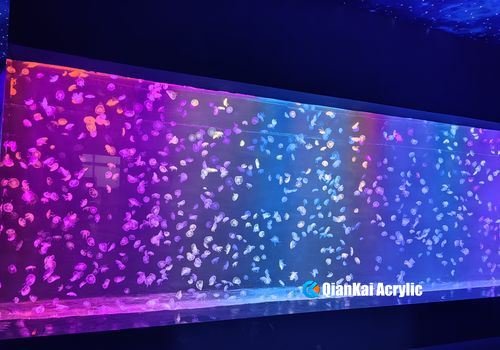
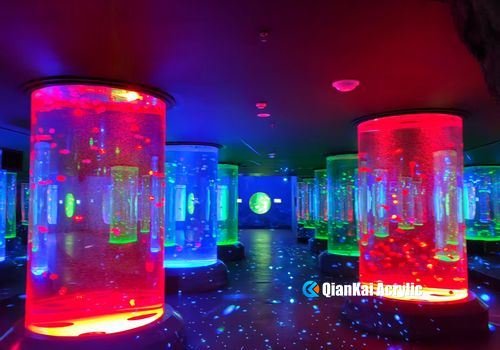
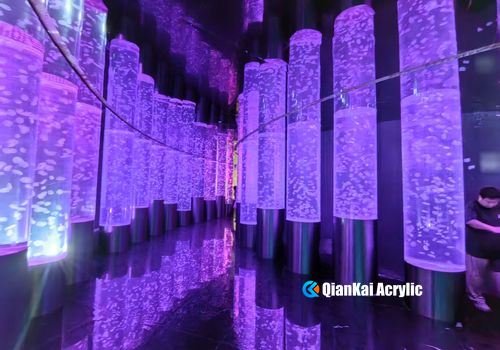
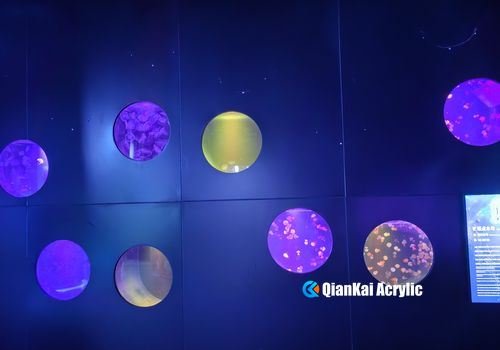
There is no universal acrylic thickness for every aquarium window.
Panel thickness cannot be selected from a photograph or water depth alone. The engineering review should consider water depth, unsupported span, panel geometry, edge support, frame conditions, joint details, design loads and required safety factors.
Long-term behavior also matters. Technical guidance for underwater acrylic glazing discusses time-dependent deformation, commonly known as creep, under sustained loading. The design should therefore review both stress and deflection over the intended service life.
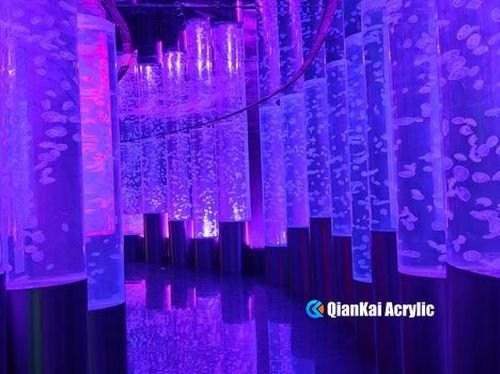
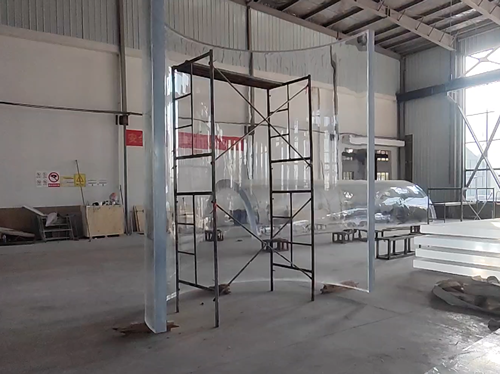
For a custom jellyfish gallery, the acrylic specification should be coordinated with the surrounding concrete or steel structure, waterproofing interfaces, access openings and installation sequence. Bonded joints and frame interfaces should be detailed before fabrication rather than left for adjustment on site.
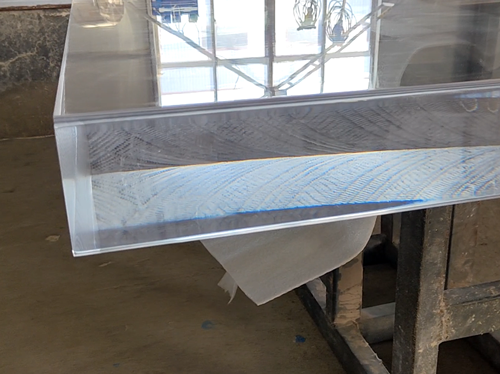
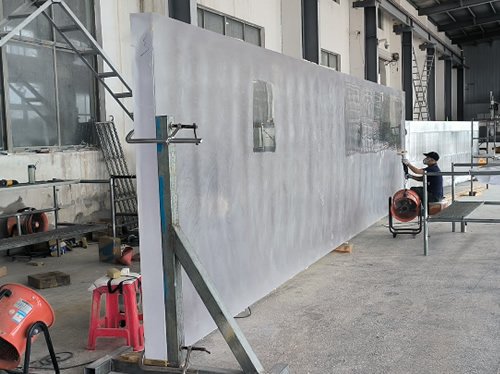
Optical quality is also part of the visitor experience. Surface finish, haze, scratches, reflections and distortion can change how clearly visitors see the animals. Material inspection, handling protection and an agreed acceptance standard should be included in the project documentation.